
Sustainable living has become more than just a trend for New Jersey homeowners. From energy-efficient appliances to solar panels and eco-conscious landscaping, people are looking for smart ways to upgrade their homes while reducing their environmental footprint. And now, that same mindset is extending outdoors, especially for backyard improvements.
If you own a pool (or are considering building one), you might assume it automatically entails high water usage, frequent chemical treatments, and higher energy bills. But the truth is, pool ownership doesn’t have to mean excessive waste. With the right equipment, maintenance habits, and professional guidance, you can enjoy a sparkling clean pool while still being mindful of your impact on the environment.
Eco-friendly pool care is all about making small, strategic changes that add up to big benefits. You can reduce chemical use, conserve water, improve efficiency, and even extend the life of your pool system, all while keeping your backyard oasis just as enjoyable.
The Importance of Balanced Water Chemistry (And How It Reduces Chemical Overuse)
One of the easiest ways to reduce chemical waste is also one of the most important parts of pool ownership: keeping your water chemistry balanced.
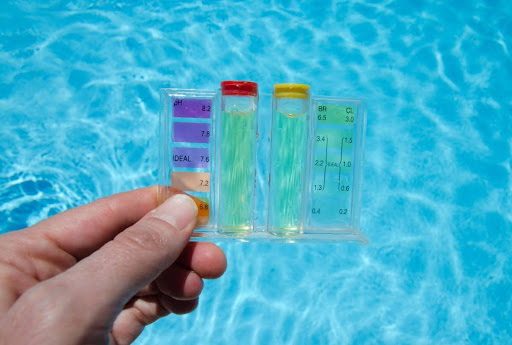
When your pool water is properly balanced, it stays clearer, safer, and more stable. That means you don’t have to “shock” the pool as often or add extra chemicals to fix problems like cloudy water or algae growth. Key chemical levels that should be monitored include:
- pH levels
- Chlorine or sanitizer levels
- Total alkalinity
- Calcium hardness
- Stabilizer (cyanuric acid)
If any of these levels get out of range, your pool water can become difficult to manage. For example, water that’s too acidic can corrode equipment, while water that’s too alkaline can cause scaling and cloudiness. Either way, you’ll likely end up adding more chemicals than necessary to correct the issue.
Regular water testing is one of the best eco-friendly habits you can build. It helps you treat water with precision rather than guesswork. Even better, it helps prevent chemical “overdosing,” which wastes product and can make swimming less comfortable. At Island Pools & Patios, we always recommend staying proactive with testing and professional guidance, especially during peak summer months when pool water chemistry can change quickly.
Energy-Efficient Pool Pumps and Filtration Systems
Your pool pump is one of the largest energy users in your home, especially during the summer when it runs daily. If you’re still using an older single-speed pump, upgrading to a more efficient option can make a major difference.
Variable-Speed Pool Pumps
Variable-speed pumps allow you to run the system at lower speeds for longer periods, which uses significantly less electricity. They’re quieter, more efficient, and often provide better overall circulation.
Many New Jersey homeowners see noticeable savings after switching to a variable-speed pump, and the reduced energy usage makes it a win for both your wallet and the environment.
Efficient Filtration Systems
Your filter also plays a big role in pool efficiency. A properly sized filter improves water clarity and reduces the need for chemical treatments. Some filtration systems require less frequent backwashing, which can also save water over time. Upgrading equipment might feel like a big step, but in many cases, it pays off through lower operating costs and improved pool performance.
Pool Covers and Evaporation Reduction Strategies
Water evaporation is a major source of pool water loss, especially during hot, sunny New Jersey summers. Even worse, evaporation increases when wind is involved, which is common in many parts of NJ.
A simple solution? Use a pool cover!
Pool covers can significantly reduce evaporation, helping you conserve water and reduce the frequency of top-offs. They also help maintain water temperature, which means your heater doesn’t have to work as hard. Some cover options include:
- Solar covers
- Automatic covers
- Safety covers
- Manual vinyl covers
In addition to saving water, pool covers reduce debris buildup. Less debris means less strain on your filtration system and fewer chemicals needed to keep the water clean. For eco-conscious homeowners, a pool cover is one of the most practical upgrades you can make.
Saltwater Systems and Alternative Sanitation Options
When people hear “saltwater pool,” they sometimes assume it means the pool has no chlorine. In reality, saltwater pools still use chlorine, but they generate it through a saltwater chlorinator rather than relying solely on manually added chemicals.
Benefits of Saltwater Pools
Saltwater systems can offer several eco-friendly advantages:
- More consistent chlorine levels
- Reduced need for chemical handling and storage
- Softer-feeling water that’s gentler on skin and eyes
- Less frequent chemical adjustments
Because the system generates chlorine steadily, it often reduces the chemical spikes and heavy dosing that traditional pools may require.
Other Sanitation Options
Some homeowners also explore alternative sanitation systems, such as UV or ozone systems. These can help reduce chlorine demand, but they still typically require a sanitizer to maintain safe water quality.
The best system depends on your pool design, budget, and intended use. That’s why professional consultation is so important. The goal isn’t to eliminate chemicals entirely, but to use them responsibly and efficiently.
Smart Water Management and Leak Detection
If you want to conserve water, it helps to know exactly where it’s going. Many homeowners assume water loss is solely due to evaporation, but leaks can be a much bigger issue. A small underground leak in plumbing or equipment can waste a surprising amount of water over time.
Smart pool systems and routine inspections can help you catch leaks early. Some modern pool monitoring tools track water levels, pump performance, and filtration efficiency. If something seems off, you can address it before it turns into a major problem. Signs you may have a leak include:
- Constantly needing to add water
- Wet spots around the pool area
- Air bubbles in the pump system
- Cracks forming near the pool structure
- Pool water level dropping faster than normal
Leak detection is not something to ignore. It protects your pool, your landscaping, and your utility costs.
Eco-Friendly Pool Care Starts With the Right Partner
When you invest in balanced chemistry, energy-efficient equipment, evaporation control, and smart water management, you create a pool system that works better overall. You also lower long-term costs and reduce the environmental impact of pool ownership.
At Island Pools & Patios, we believe sustainable pool ownership should be achievable for every homeowner. Eco-friendly pool care starts with proper design, efficient equipment selection, and professional support that helps your pool operate at peak performance year after year.
If you’re interested in eco-friendly pool solutions or want help reducing chemical use and water waste, contact Island Pools & Patios today. Let’s build a smarter, cleaner, and more sustainable backyard experience — the Island way.