
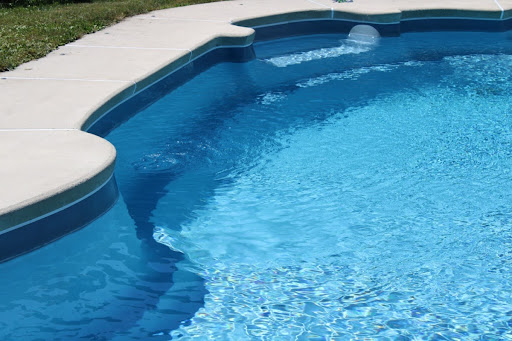
Picture a classic South Jersey summer backyard. The sun is out, the grill is going, kids are running through the yard barefoot, and friends are gathered on the patio with cold drinks in hand. It’s the kind of scene that makes you think, “This would be perfect with a pool.” And once that idea takes hold, it’s hard to let go. But before you start imagining pool floats and cannonballs, there’s one major decision that can shape your entire backyard project: Should you install a concrete pool or a fiberglass pool?
Both options can create an incredible outdoor escape, but they’re built, maintained, and perform differently over time. Here in South Jersey, factors such as climate, soil conditions, long-term maintenance, and your overall backyard vision should all play a role in choosing the right pool type.
Installation Timeline and Process
One of the first differences homeowners notice between concrete and fiberglass pools is the installation timeline.
Fiberglass Pool Installation
Fiberglass pools are manufactured off-site as a pre-molded shell. Once your yard is excavated and prepped, the pool is delivered and lowered into place. After that, the crew connects plumbing, installs equipment, backfills the surrounding area, and completes decking and finishing touches.
Because the shell arrives already formed, fiberglass pool installation is often faster and more predictable. Many fiberglass projects can be completed in a matter of weeks, depending on weather and landscaping plans.
Concrete Pool Installation
Concrete pools are built entirely on-site. After excavation, crews install steel rebar framing and then apply either gunite or shotcrete. The concrete must cure properly before the interior finish can be applied; the rest of the project (plumbing, tile, coping, decking) follows.
Concrete pool installation is a more involved process, and because of curing time and additional construction steps, the timeline is typically longer. For South Jersey homeowners seeking a faster turnaround, fiberglass often offers an advantage. If you want to enjoy your pool sooner, fiberglass can help you get there faster.
Durability and Longevity in New Jersey Weather Conditions
South Jersey weather is no joke. Between hot summers, freezing winters, rainstorms, and seasonal ground shifts, your pool needs to withstand real conditions year after year.
Fiberglass Durability
Fiberglass pools are flexible and designed to handle some ground movement. This flexibility can be a major benefit in areas where soil expands and contracts through seasonal temperature changes. The gel-coated surface is also resistant to many common pool issues, such as algae buildup and staining. However, fiberglass shells can potentially be damaged during shipping or installation if not handled properly, which is why professional pool installation matters.
Concrete Durability
Concrete pools are extremely strong and known for long-lasting structural integrity. They can handle heavy use, and many concrete pools last for decades. That said, concrete is more rigid. In regions with freeze-thaw cycles, the surrounding soil can shift and potentially create stress on the structure. Concrete pools are also more likely to develop surface wear over time, including cracking in the plaster and rough patches that require refinishing.
For South Jersey homeowners, both pool types can be durable when installed correctly, but fiberglass often offers an advantage in handling soil movement and seasonal conditions, with fewer surface concerns.
Customization and Design Flexibility
Your pool isn’t just a hole filled with water. It’s a centerpiece of your backyard and one of the biggest design features of your entire outdoor living space.
Fiberglass Customization
Fiberglass pools come in pre-made shapes and sizes. You’ll still have options like tanning ledges, built-in seating, and different shell colors, but the pool’s shape is limited to what manufacturers produce. This can be a great option for homeowners who want a streamlined decision-making process and a clean, modern design.
Concrete Customization
Concrete pools offer almost unlimited customization. If you want a unique shape, extra-deep diving area, custom benches, swim-up bar seating, or a specific layout that fits your yard perfectly, concrete gives you that flexibility. Concrete is often the go-to option for homeowners who have a very specific vision and want their pool to be fully tailored to their lifestyle.
In South Jersey, where lot sizes and yard layouts can vary dramatically, customization may be a big factor. If your yard is tight, sloped, or oddly shaped, a concrete pool may offer design options that fiberglass can’t match.
Maintenance Requirements and Long-Term Care
Maintenance is where many homeowners start to see major differences between concrete and fiberglass pools. While both require regular care, the amount of work can vary significantly.
Fiberglass Pool Maintenance
Fiberglass pools have a smooth, non-porous surface that makes it harder for algae to cling. This means they typically require fewer chemicals and less scrubbing. Cleaning is easier, and the surface is gentler on pool equipment and filters. Because fiberglass doesn’t require resurfacing as often, long-term maintenance is more manageable.
Concrete Pool Maintenance
Concrete pools are porous, which means algae and bacteria can attach more easily if water chemistry isn’t closely monitored. Concrete pools often require more brushing and chemical balancing to keep the surface clean and safe. Over time, concrete pool surfaces may also need refinishing, especially if plaster becomes stained, cracked, or rough.
For busy South Jersey homeowners, fiberglass is often appealing because it requires less maintenance and has fewer long-term surface issues.
Cost Considerations, Both Upfront and Over Time
Budget is always part of the pool conversation, but it’s important to look beyond the initial price tag.
Fiberglass Pool Cost
Fiberglass pools typically have a more predictable upfront cost because the shell is manufactured in advance. Installation is usually faster, reducing labor costs. Fiberglass pools can also save money over time due to lower maintenance requirements, less chemical use, and fewer resurfacing needs.
Concrete Pool Cost
Concrete pools can sometimes start with a lower base price, but because they are custom-built, the final cost depends heavily on size, shape, depth, features, and finishes. Add-ons like custom tile, waterfalls, or special lighting can quickly increase the overall investment. Over the long term, concrete pools may require higher maintenance and resurfacing costs, which can add up.
For South Jersey homeowners planning for the long term, fiberglass can be a strong value option due to lower ongoing costs. Concrete may be better for homeowners who prioritize customization and are prepared for additional upkeep.
Comfort, Surface Texture, and Overall User Experience
When you think about your pool, you probably picture more than just swimming. You’re imagining lounging, playing games, entertaining guests, and enjoying the water comfortably.
Fiberglass Pool Comfort
Fiberglass pools are known for their smooth surface, which feels comfortable on bare feet and is less likely to cause scrapes. This is especially important for families with kids who spend hours playing in the pool. Fiberglass also tends to hold heat well, helping water stay comfortable during cooler summer evenings.
Concrete Pool Comfort
Concrete pools can feel rougher, especially as the surface ages. Plaster can become abrasive over time, which can be uncomfortable for swimmers and may lead to minor scrapes.
However, concrete pools can provide a more luxurious look depending on the finish. High-end options such as pebble finishes can enhance both comfort and appearance, though they may increase cost.
For many South Jersey families, fiberglass provides a more comfortable, everyday swimming experience, while concrete offers a more customizable, luxury feel.
Which Pool Type Is Best for South Jersey Backyards?
So, which is better: concrete or fiberglass? The truth is, there’s no one-size-fits-all answer. It depends on what you want most out of your backyard investment.
A fiberglass pool may be best if you want:
- Faster installation
- Easier maintenance
- A smooth, comfortable surface
- Lower long-term upkeep costs
- A durable option that handles seasonal ground movement well
A concrete pool may be best if you want:
- Total design freedom
- Custom depths, shapes, and features
- A one-of-a-kind pool design
- More flexibility for complex backyard layouts
- A pool built for high-end customization
In South Jersey, where homeowners often want pools that complement patios, outdoor kitchens, fire features, and full backyard renovations, the best pool is the one that fits your lifestyle and outdoor vision.
Trust Island Pools & Patios to Help You Choose the Perfect Pool
At the end of the day, your backyard isn’t just a project. It’s where memories are made. It’s where summer birthdays happen, where friends gather for weekend cookouts, and where you unwind after a long day. That’s why choosing the right pool is such a big decision, and why working with an experienced professional makes all the difference.
At Island Pools & Patios, we help South Jersey homeowners bring outdoor dreams to life through expert guidance, quality craftsmanship, and personalized service. From your first design consultation to the final installation, we walk you through every step of the process so you stay informed, confident, and excited about what’s next.
If you’re considering a concrete or fiberglass pool for your South Jersey backyard, reach out to Island Pools & Patios today. Let’s start planning the backyard oasis you’ve been dreaming about.